/icon_text_light_svg.svg)
The right model for each task
No single model is best at code, art, and music. Splitting the work by task lets the system use whichever model is best for each job.
Chatforce helps you make visually high-quality 2D and 3D games from text and/or reference images, with hosting, multiplayer and microtransaction support taken care of for you. It works with state-of-the-art AI models plus our own agent technology, a working example of multi-agent game development: several AI agents building one game together from one brief.
Multi-agent game development is the practice of building games with several AI agents that share context and work together to make one coherent game from a plain-language brief. Code, art and sound can each use the AI model best suited to them. It is different from single-model game generation, where one model attempts every task on its own.
Code, art, music and sound are different jobs. Each job can use the AI model and tools best suited to it.
The plan, the concept image, the current state of the game and its assets are visible to every part of the system, so each output builds on the others.
A single plan, written from your description, keeps every part of the game pointed at the same idea.
Code, images, audio and animation use different AI models. Each task goes to the one that does it best.
You change the game by chatting. Only the parts affected by your request are redone, and the game updates.
Output is one game, not a folder of unrelated AI generations. The art, code and music fit together and fit your idea.
Describe your game in chat, with text, reference images or both. Chatforce asks a few clarifying questions and writes a plan: genre, mechanics, tone, look and sound.
Chatforce draws a concept image that sets the look of the game. Once you approve it, the code, art, music and sound effects are made together, and a first playable version is ready in about 10 to 15 minutes.
Ask for changes in plain language and the game updates. To arrange levels yourself, use the Level Editor, custom-made for your game.
Hosting is taken care of: the game gets its own link that plays on computers and phones. Multiplayer works by sharing a link, games can sell in-game items for chips, and you can play your games on our mobile app.
No single model is best at code, art, and music. Splitting the work by task lets the system use whichever model is best for each job.
A shared plan keeps every part of the game aligned. Without it, art and music end up unrelated. With it, they reinforce each other.
If one piece is off, just that piece is redone. Single-model systems often regenerate the whole game.
You just say what you want. You never have to pick which model to use.
The music can match the level, and new art can match the earlier concept image, because every part can see the rest of the game.
This approach makes finished 2D and 3D games, single-player or multiplayer, that play from a link on computers and phones.
| Property | Multi-agent (Chatforce) | Single-model generator | Hand-coded + ChatGPT | Editor + AI plugin |
|---|---|---|---|---|
| Best model for each task | Yes: state-of-the-art AI models plus our own agent technology | No, one model | One coding model | One AI assistant |
| Uses several AI models | Yes | No | One model | Usually one |
| One plan for the whole game | Yes, written from your description | None | User writes it | User writes it |
| Shared context across tasks | Yes | N/A | Manual | Manual |
| Consistent characters | Yes, from scene to scene | Fragile | Manual | Per-plugin |
| Redo just one part | Yes | Full regenerate | Manual | Manual |
| Output is a playable game | Yes: shareable link | Often code or assets only | Yes, but user-built | Yes, after user effort |
| Best for | Finished 2D or 3D games | Demos & ideation | Coders who want full control | Designers in a traditional engine |
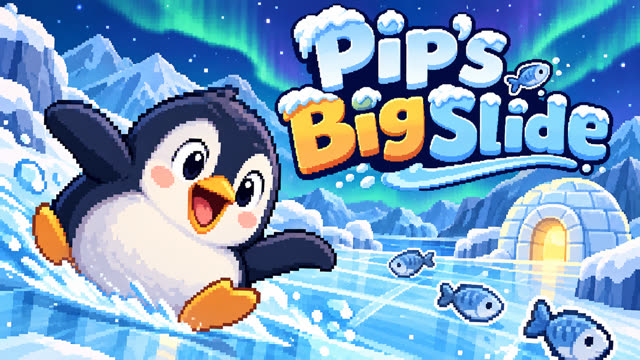
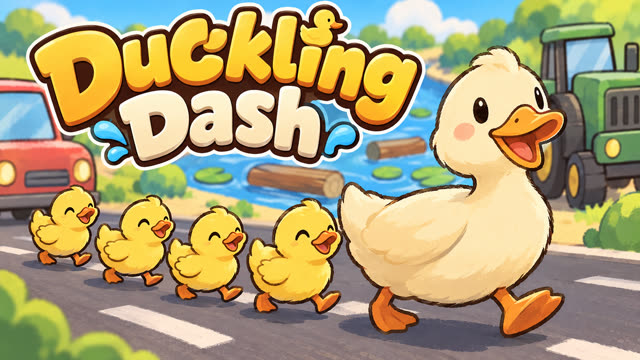
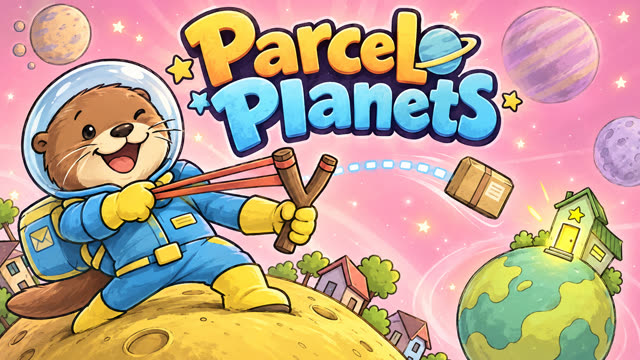
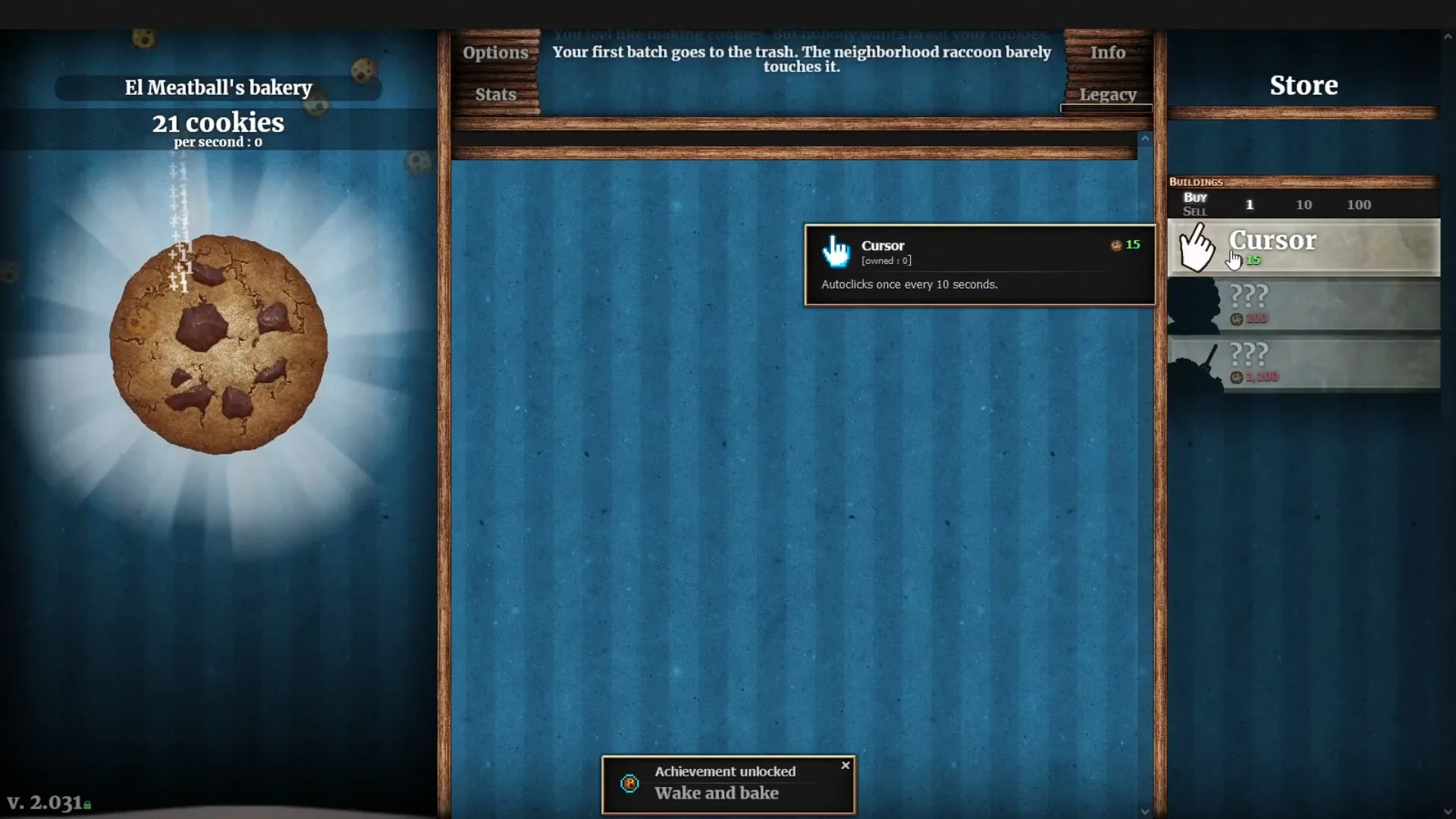
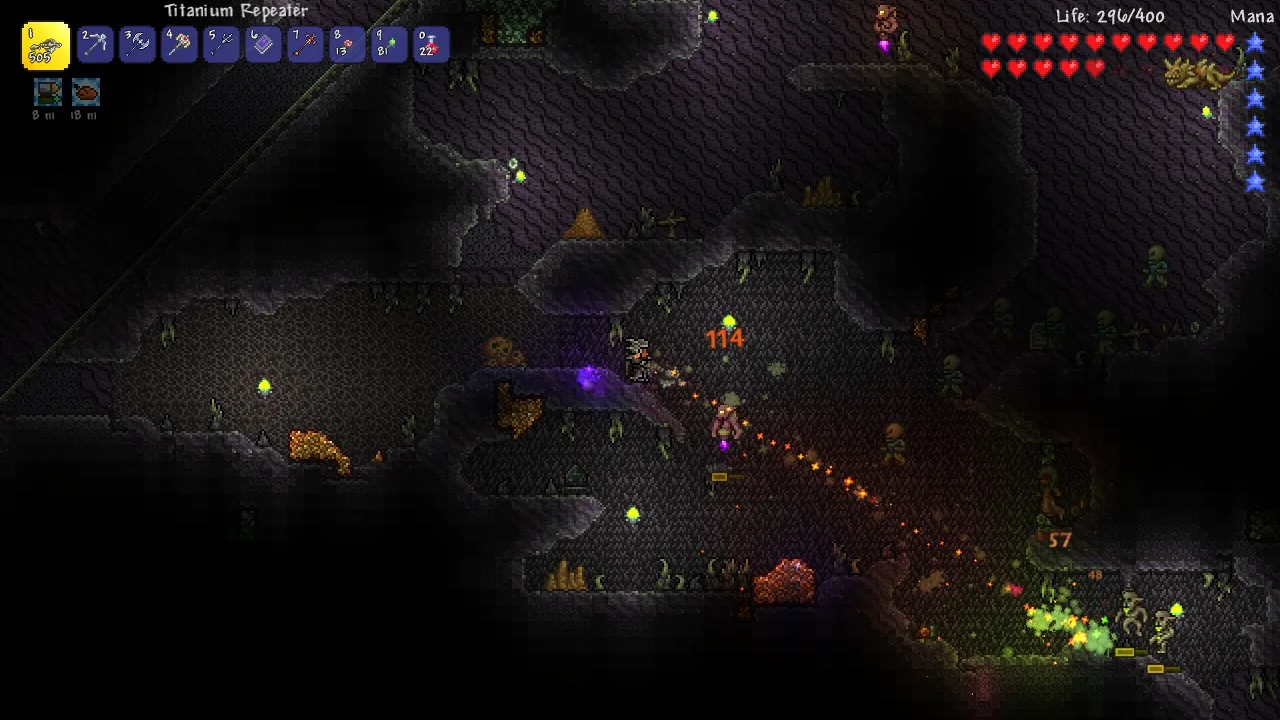
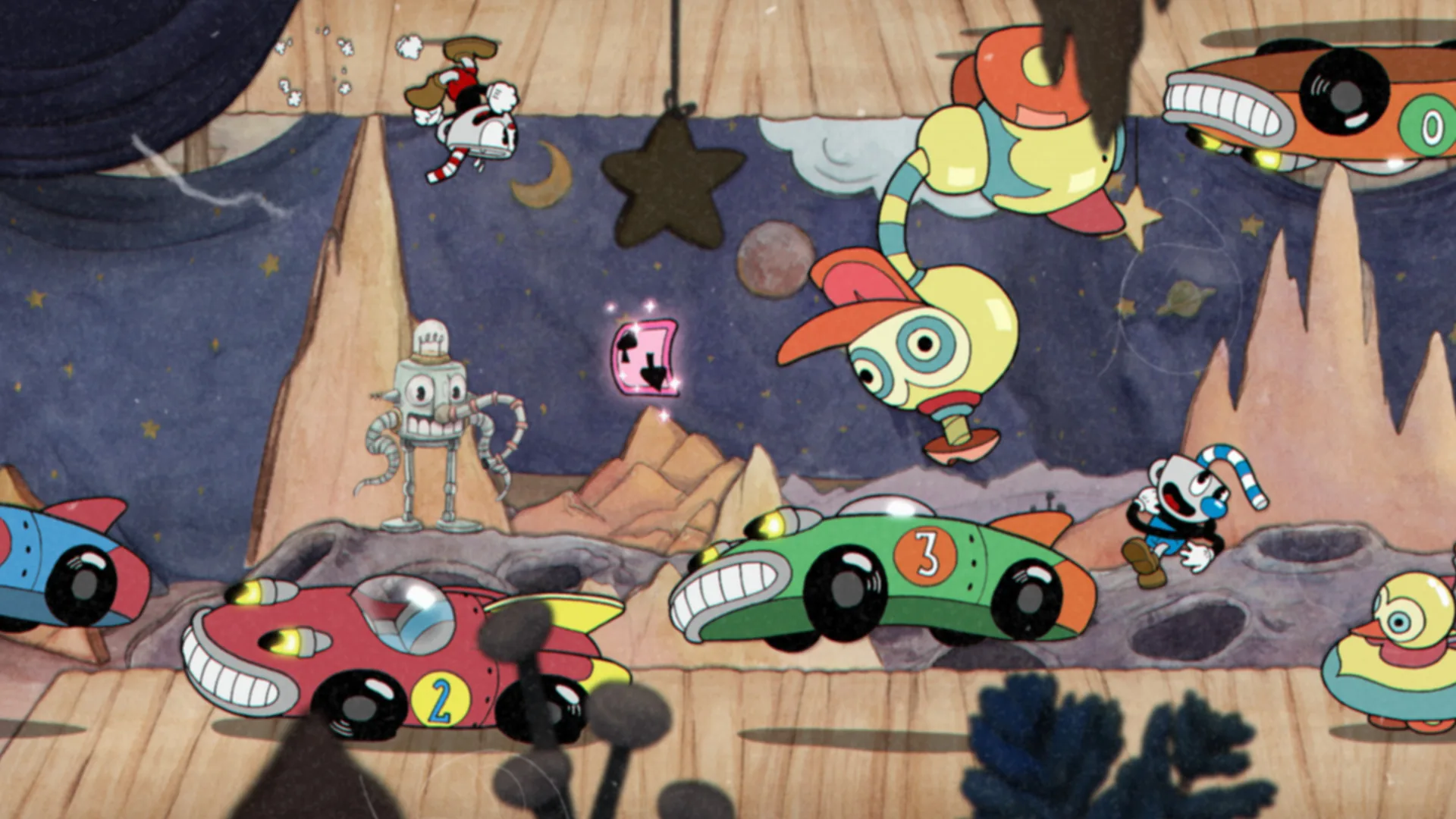
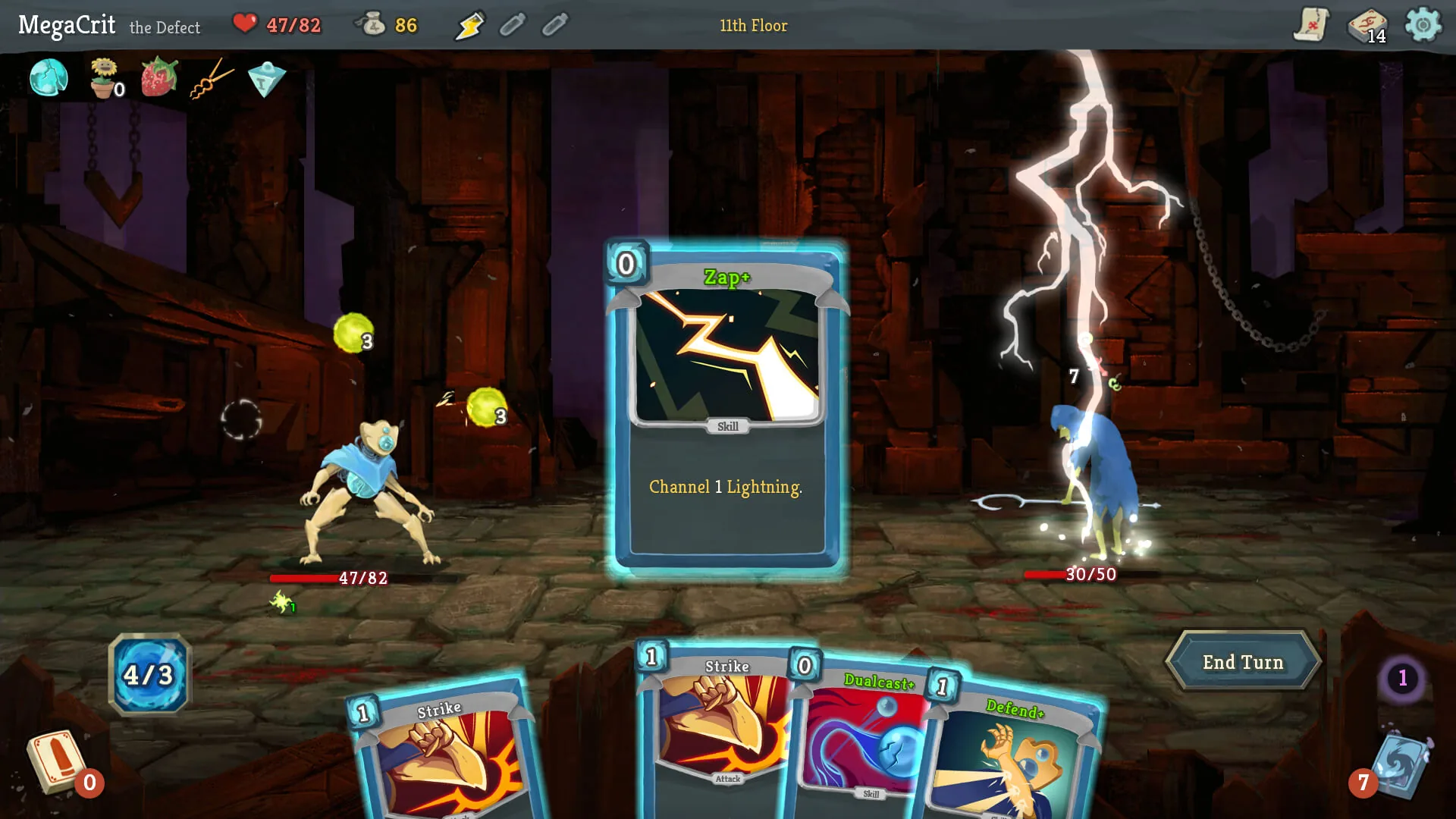
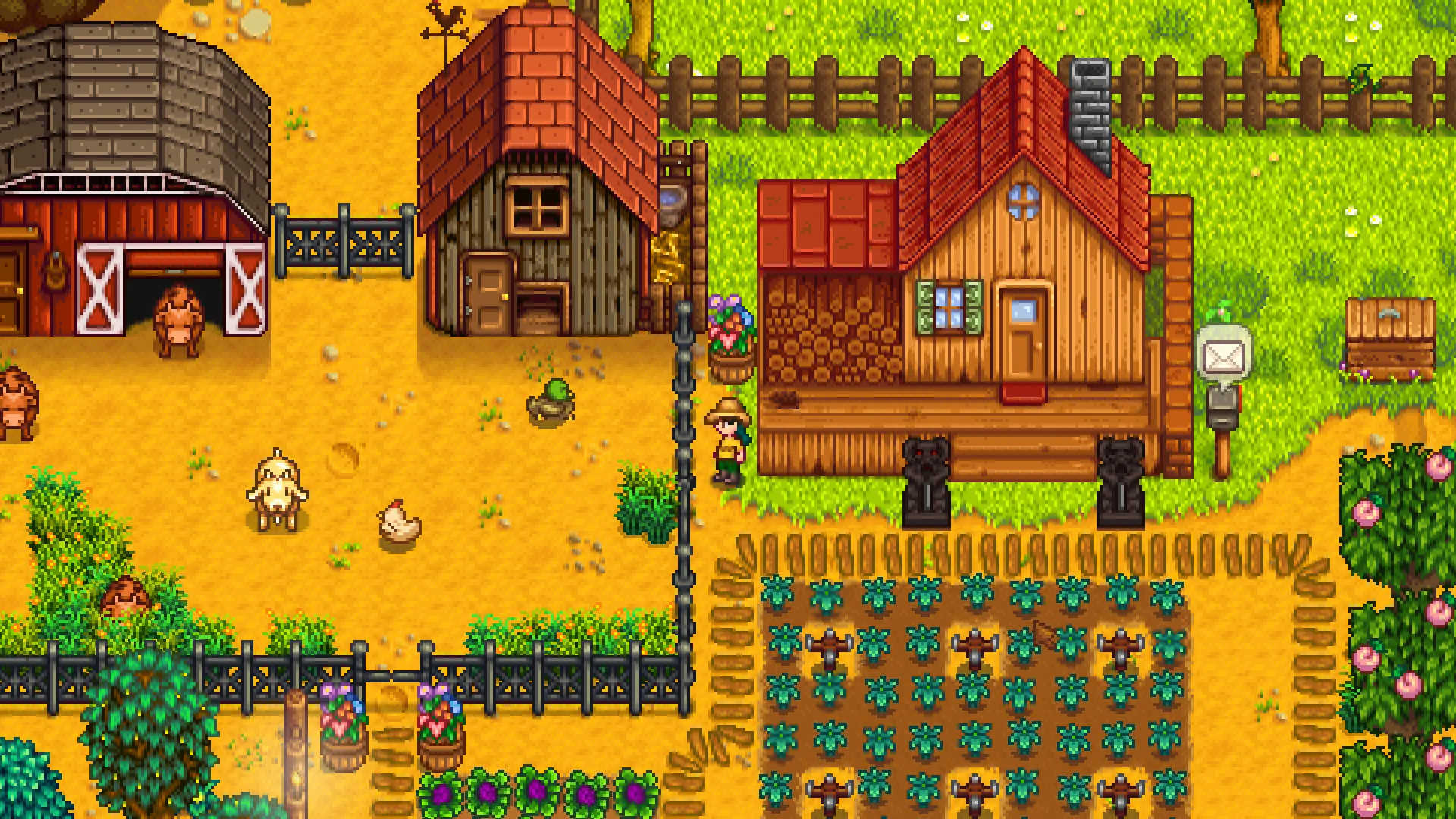
Every claim on this page is checkable. These are real games made on Chatforce by real creators, hosted at public links. Tap one and you’re playing in seconds, in your browser, which is the whole point.
Browse every published game at chatforce.com/play.
Multi-agent game development is the practice of building games with several AI agents that share context and work together to make one coherent game from a plain-language brief. Code, art and sound can each use the AI model best suited to them. It is different from single-model game generation, where one model attempts every task on its own.
Making a game is several jobs at once: code, visual art, music, sound and design. Different AI models are strongest at different jobs. A multi-agent system sends each task to the model best suited to it and ties everything to one shared plan. The result is better quality in each part and one game that fits together.
It turns a plain-language description into a plan, then makes the code, art, music and sound effects from that plan. Each task can use its own AI model and tools, and every part shares context about the plan and the current state of the game.
A shared plan anchors the work. A concept image you approve sets the look. Characters stay consistent from scene to scene. The current state of the game is visible to every part of the system, so, for example, the music can fit the level that was built.
Chatforce helps you make visually high-quality 2D and 3D games from text and/or reference images, with hosting, multiplayer and microtransaction support taken care of for you. It works with state-of-the-art AI models plus our own agent technology, using whichever model is best for each job. Games play from their own link on computers and phones, multiplayer works by sharing a link, and you can play your games on our mobile app: Android is live and iOS is coming soon.
No. Agentic coding is a single coding agent working on its own on a codebase. Multi-agent game development covers code plus art, music, sound and design, all tied to one plan.
With Chatforce, you can make 2D and 3D games, single-player or multiplayer, in genres like platformers, top-down adventures, tower defense, horde survivors, idle clickers and visual novels. Hosting, multiplayer and in-game purchases for chips are built in, so each game doesn’t have to set them up itself.
The pattern emerged in 2024 and 2025 as AI models matured and agent frameworks (LangGraph, AutoGen, Claude Agent SDK) made it practical to share context across agents. Chatforce applies the pattern in a product built for people who want to make games, not researchers.
Chatforce puts this approach to work. Describe a game in one sentence and get a playable game you can share with a link.
Start building